Where Caulking Protects Your Property
Caulk is more common than you might think. You can find caulk:
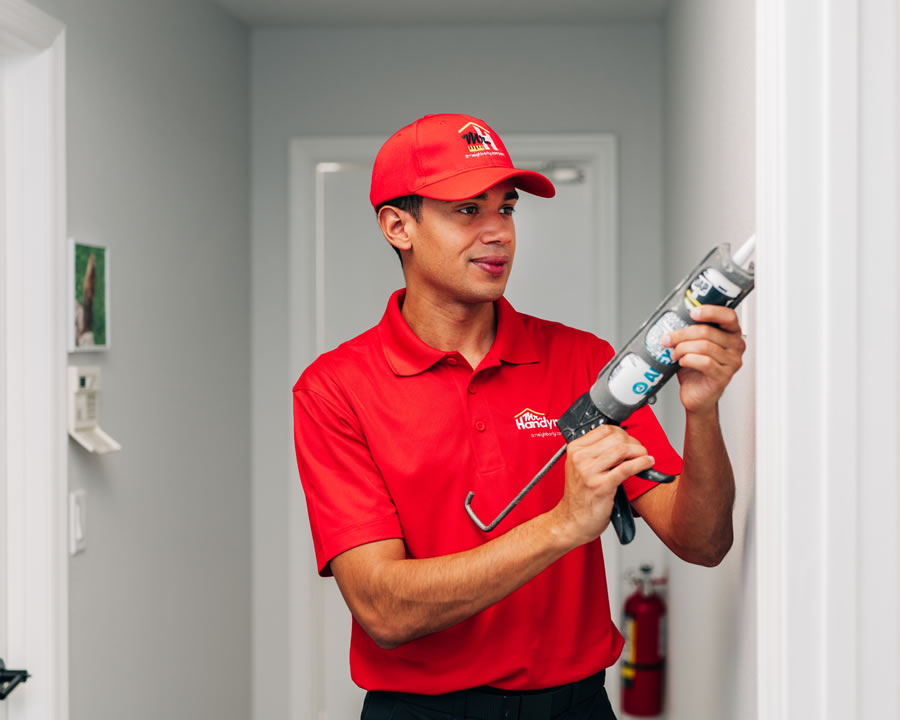
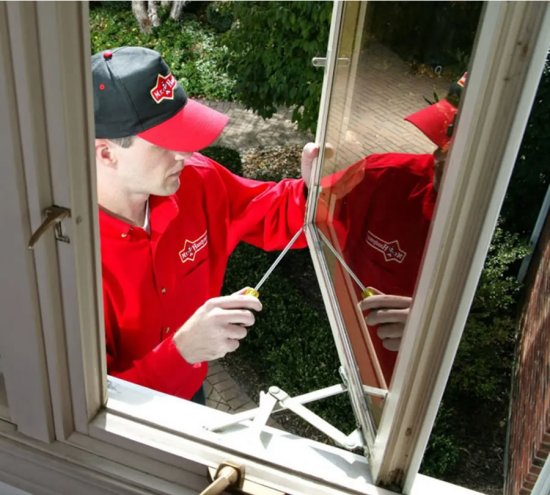
- Around Windows and Doors: Without proper caulking, water can infiltrate wall cavities, saturate insulation, and cause wood rot. Caulking also helps prevent conditioned air from escaping and outdoor air from entering.
- In Bathrooms and Kitchens: The seal around bathtubs, showers, and sinks prevents water from seeping behind fixtures and into walls or floors. Grout, despite appearances, is porous and not waterproof. Caulk provides the actual water barrier.
- Along Baseboards and Trim: Gaps between baseboards and floors or walls allow in air that affects heating and cooling efficiency. They also provide entry points for moisture, insects, and dust. Caulk plays defense.
In short, you will likely find caulk (or should find it) where different materials meet, especially in moisture-prone areas like the kitchen and bathroom.
Why Caulk Fails and What Happens Next
Caulk has quite a few weaknesses. For example, UV exposure breaks down the polymers, temperature swings cause fatigue, and normal building movement stresses the seal. Over time, caulk shrinks, cracks, separates from surfaces, and/or becomes brittle.
Once caulk fails, you can be sure that water will make its way through. Water molecules will work their way through even hairline cracks. Once inside wall cavities or under flooring, the damage begins. Wood will rot, drywall saturates, insulation loses its effectiveness, metal corrodes, and mold and mildew start colonizing.
The good news is that preventing all of this headache is as simple as inspecting and reapplying caulk regularly.
When to Inspect and Replace Caulk
Caulk should be inspected annually and replaced every 3-5 years depending on location and exposure. Areas with constant moisture exposure – think showers, plumbing fixtures, kitchen sinks – may need more frequent attention.
Signs that caulk needs attention include visible cracks or gaps, separation from surfaces, hardness or brittleness, discoloration or mold growth. Granted, it’s always better to replace the caulk before these warning signs show up.
Hire Pro Handymen Today
While caulking seems straightforward, proper application is not as simple as you might think. This work involves preparing the surface, selecting the appropriate caulk, proper tooling and finishing, etc.
Fortunately, hiring a trained handymen is affordable as long as Mr. Handyman is around. Rest assured, our work comes with a 1-year guarantee.