Wood Wheelchair Ramps: Traditional and Customizable
Wood ramps have been around for decades, and for good reason. Many homeowners like them because they look more like a natural extension of the house; They don't look obviously medical or institutional.
With that said, cost represents wood's biggest advantage. Materials run significantly less than aluminum, and a DIY-inclined homeowner with basic carpentry skills can even build simple wood ramps themselves, thereby further reducing costs.
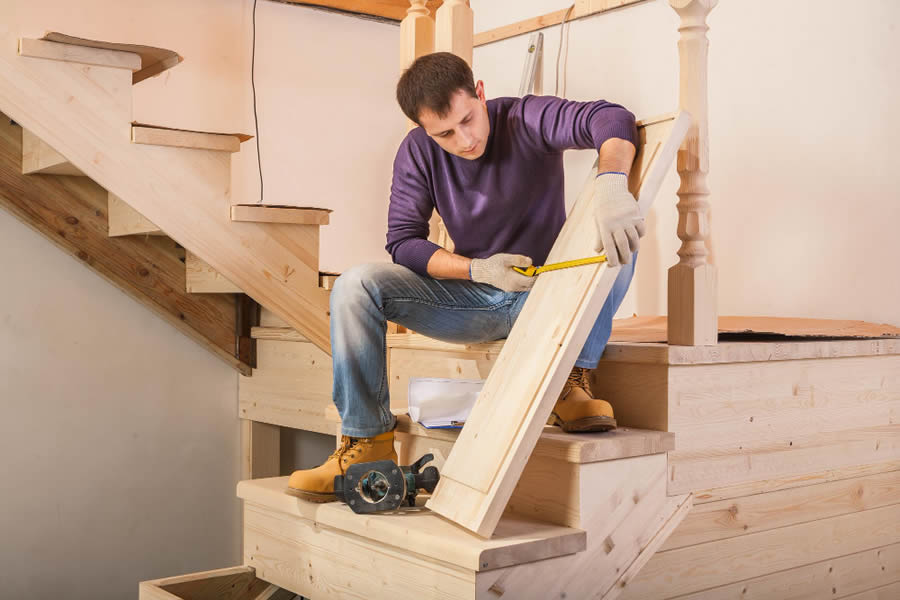
Wood also offers design flexibility. Custom configurations, built-in landings, and integration with existing structures are all more viable with wood construction. Need the ramp to turn at specific angles or match your home's existing woodwork? Wood makes it work.
Where Wood Falls Short
Wood is affordable and customizable, but it’s got apparent drawbacks, too. For one, its enemies are many: Summer heat that regularly hits 100+ degrees, intense UV exposure, humidity near lakes and coast, occasional heavy rains, and temperature swings.
So, it’s no surprise that wood ramps demand constant maintenance. Annual staining, regular inspections for rot and damage, tightening loosened fasteners, and replacing deteriorated boards are time-consuming and cost money. Skip this maintenance, though, and boards weaken and surfaces become slippery.
Wood ramps also develop splinters, uneven surfaces from warping, and slippery conditions when wet. These safety concerns matter critically for people with mobility challenges.
Finally, the lifespan of wood ramps runs 5-10 years with excellent maintenance, sometimes less in harsh conditions.
Aluminum Ramps: The Modern Alternative
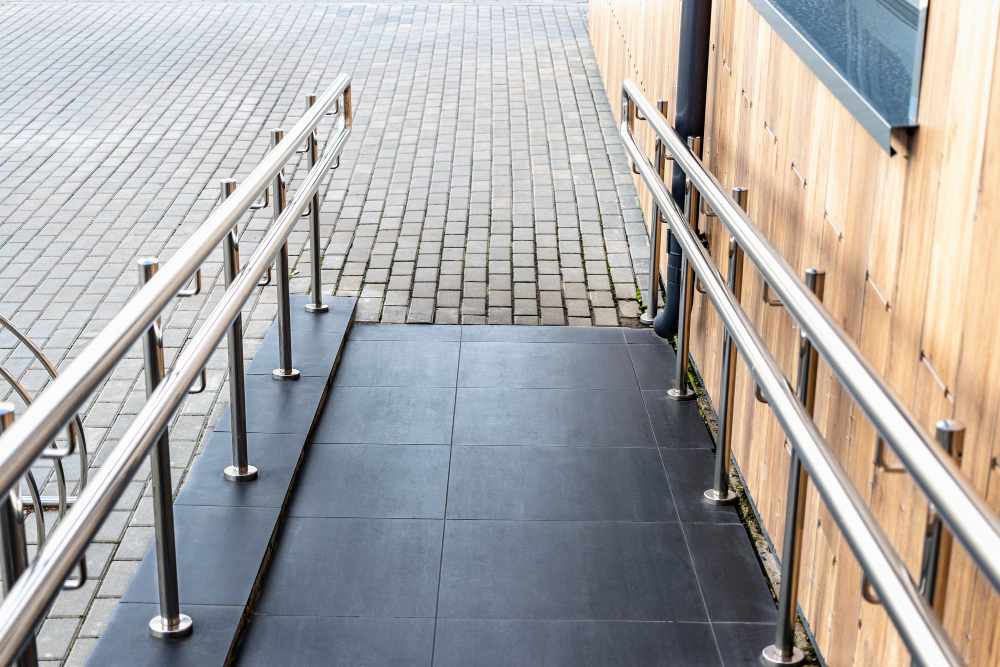
Aluminum laughs at Texas weather. It doesn't rot, warp, crack, or deteriorate from moisture. Summer heat doesn't faze it, and UV exposure causes little to no damage. In fact, maintenance requirements drop to nearly nothing.
Aluminum ramps also install faster than wood construction; Modular systems go up in hours rather than days. This speed matters when someone needs accessibility NOW.
They can also typically carry more than wood ramps can. Aluminum systems handle power wheelchairs, scooters, and multiple people without stress concerns that wooden ramps may bring.
As a cherry on top: lifespan often extends 20-25+ years, and sometimes longer. This longevity means better long-term value despite higher initial costs.
Where Aluminum Falls Short
Speaking of initial costs, upfront cost runs double or even more higher than wood’s. This price shock stops many buyers.
Then, there’s appearance. Aluminum strikes some people as too medical or industrial. This matters to homeowners sensitive about property appearance.
Finally, there’s less flexibility. Naturally, aluminum can't match wood's ability to create truly custom configurations for unusual situations.
Regardless, Professional Installation Matters
Whether choosing wood or aluminum, a professional installation by trained and experienced handymen makes the difference between a safe and code compliant ramp versus an accident waiting to happen.
Hiring a qualified handyman is quick and affordable as long as Mr. Handyman is around. Call or message our office team to get in touch and consult a knowledgeable representative today.