With that said, let’s get technical. The effectiveness of insulation is measured by R-value (resistance to heat flow). Higher R-values mean better insulating performance. For a well-insulated Texas home, you’ll want about R-30 to R-38 in attics, R-13 to R-19 in walls, and R-25 to R-30 in floors over unconditioned spaces.
To be clear: insulation is meant to reduce heat transfer through solid surfaces. It DOES NOT stop air movement, and it DOES NOT block moisture or water. That's not its job.
What Weatherproofing Does
Weatherproofing prevents outside elements like wind, rain, humidity, and uncontrolled air from entering or exiting the building. Examples include:
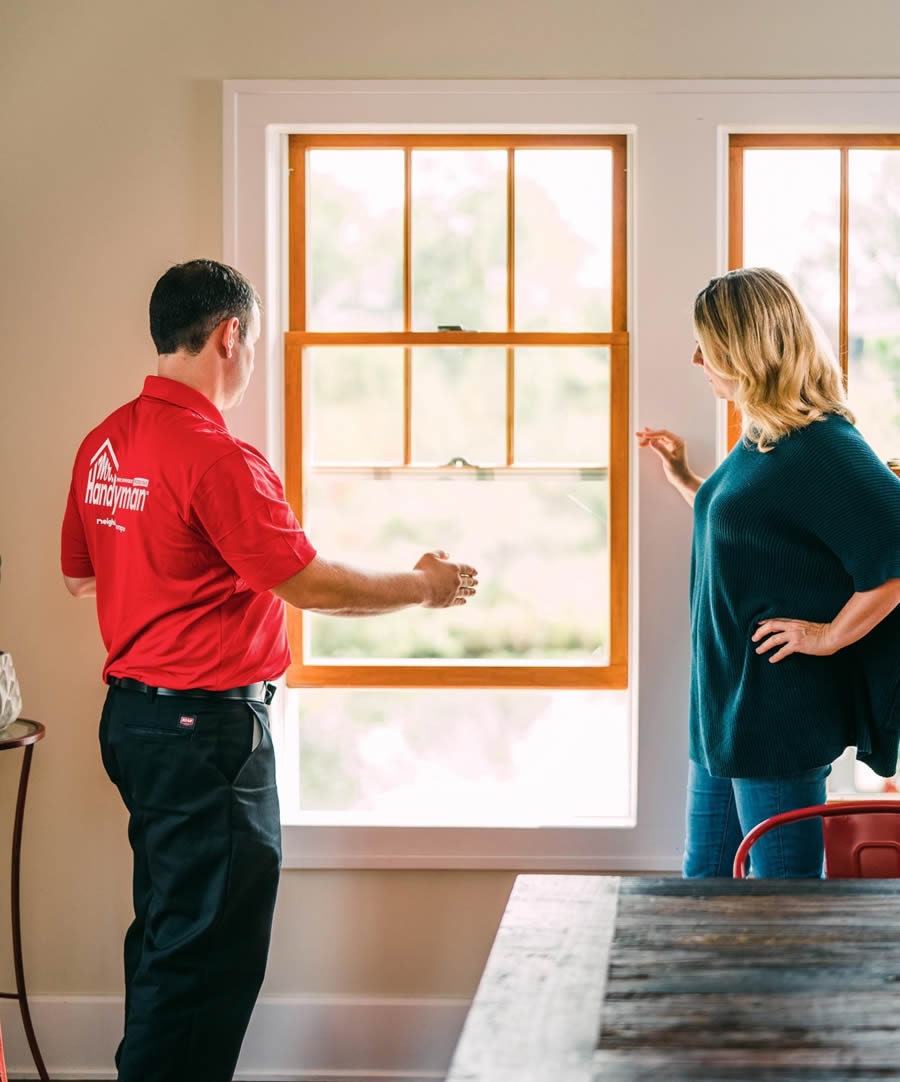
- Caulking gaps around windows, doors, and penetrations
- Weatherstripping on moving components like doors and operable windows
- Sealing electrical outlets and light fixtures on exterior walls
- Moisture barriers and house wrap
- Proper flashing around roof and wall intersections
- Sealing ductwork
Weatherproofing doesn't provide much insulation, but it blocks wind and moisture that would otherwise penetrate clothing and steal warmth. All the insulation in the world doesn't help if conditioned air is escaping through gaps and cracks.
Let’s go back to our thick sweater analogy. It keeps you nice and snug, but what happens when it gets wet? Suddenly, you’re freezing. That’s why you throw on a waterproof windbreaker if it’s raining and/or windy out.
Both are Essential
The relationship between insulation and weatherproofing is complementary, not redundant. Insulation slows heat transfer through solid building components while weatherproofing prevents air and moisture from moving through gaps and cracks.
Symptoms of Each Deficiency
So, how do you know if you’ve got a weatherproofing problem or an insulation problem? Your best bet is to bring in a trained handyman to investigate. Still, there are symptoms you can identify:
Insulation problems manifest in:
- Rooms that are consistently too hot or too cold even with the HVAC running on max
- Ice dams on roofs during winter
- Significant temperature differences upstairs versus downstairs
- Exterior walls that feel noticeably cold in the winter or hot in the summer
Weatherproofing inadequacies show up as:
- Drafts near windows, doors, or electrical outlets
- Condensation on windows during extreme cold or heat
- Dust around window frames or baseboards
- Whistling sounds during windy conditions
- Rapid temperature change when HVAC cycles off
It’s important to note that many properties suffer from both inadequate insulation and poor weatherproofing. This is why professional assessment matters. The handymen in Plano, TX at Mr. Handyman are on standby to help today.