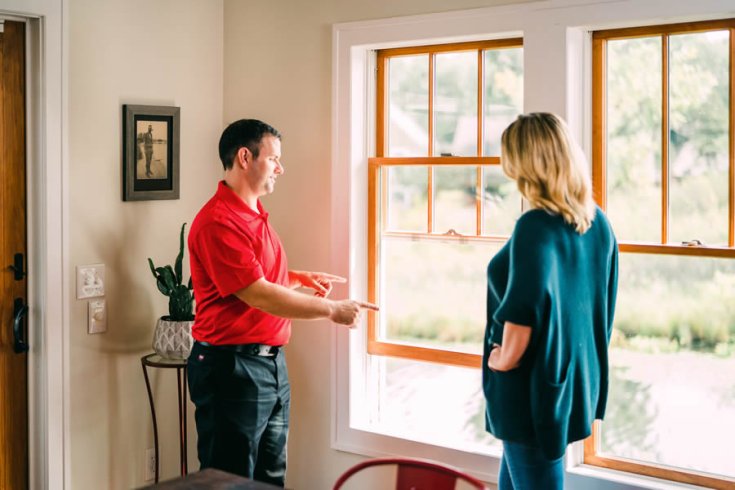
For commercial properties, this assessment also involves verifying compliance with applicable ADA standards. These requirements precisely specify mounting heights, clearances, and weight ratings. Getting these details wrong creates legal liability for property owners and businesses.
Step Two: Locating the Wall Structure
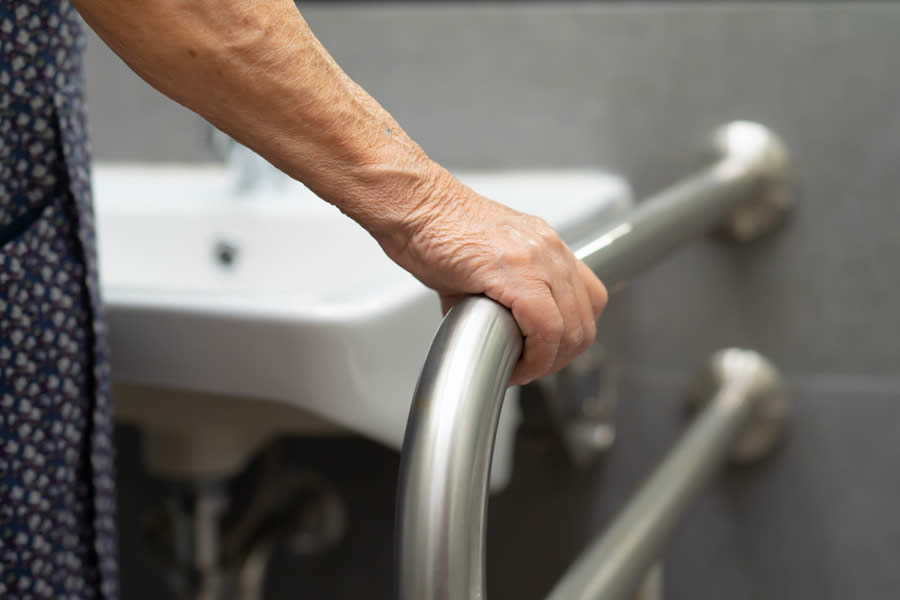
This is where DIY grab bar installations most commonly fail. A grab bar mounted only into drywall will not hold under load. Most drywall anchors are not an appropriate primary fastening method for a safety device that may need to support a person's full body weight.
A qualified handyman uses a stud finder to locate wall studs and blocking behind the tile or wall surface. Where studs don’t align with the required bar placement, a professional will install solid blocking or use appropriately-rated wall anchors.
Step Three: Selecting the Right Hardware
You’ve got options when choosing a grab bar, and selecting the right one is a science. The decision considers bar diameter, finish, length, and load rating against the specific application. Bars installed in wet environments call for corrosion-resistant materials and finishes, for instance, and bars in commercial settings must meet specific weight-bearing certifications.
Moreover, mounting hardware like screws, flanges, and backing plates must be selected to match both the bar and the wall structure. Our handymen assess all of these variables before a single hole is drilled.
Step Four: Drilling and Mounting With Precision
When it comes time to drill, ceramic, porcelain, and natural stone each require different approaches. Proper drilling is controlled and begins with pilot holes drilled into the framing or blocking behind the wall surface, and mounting flanges are seated flush and level before fasteners are driven.
Step Five: Load Testing and Final Inspection
A professional installation doesn't end when the last screw is tightened. The bar is load-tested to make sure the mounting holds as intended. Any movement, flex, or creaking at the flange indicates a problem that needs to be addressed before the installation is considered complete.
Let Mr. Handyman Handle It
With Mr. Handyman, you’re not just getting trained and experienced handymen on the job; you’re getting reliable service backed by a 1-year guarantee. Call or message Mr. Handyman to get in touch with a member of our office team today.